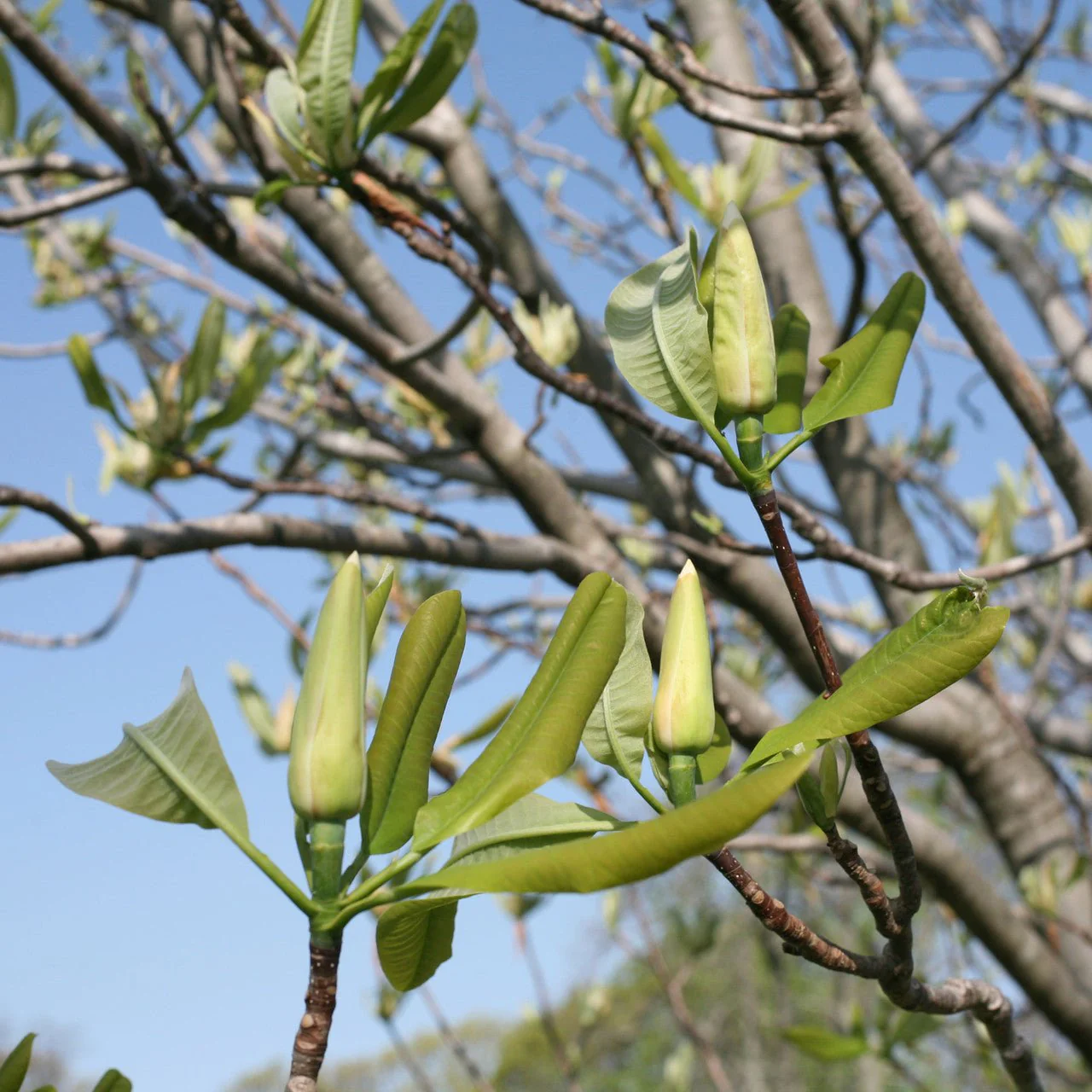
Ironwood (Carpinus caroliniana)
Small, deciduous, North American tree
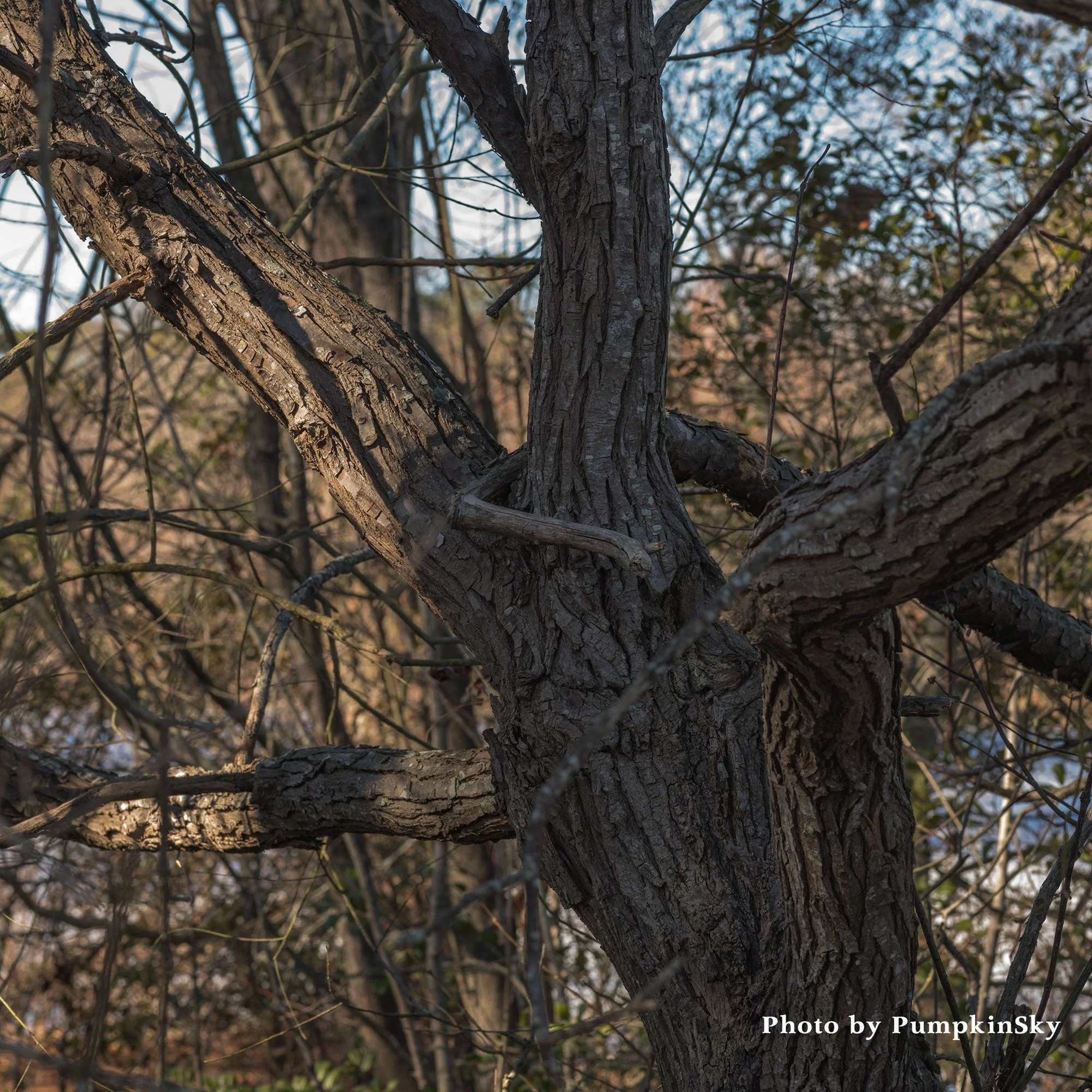
Description: Smooth, slate grey bark is irregularly fluted, giving an overall appearance of flexed muscles; delicate branching habit
Habit: Grows 20-35 feet high and wide
Culture: Prefers deep, rich, moist, and slightly acidic soils; this highly adaptable tree occurs naturally in woodlands along rivers and streams, but can tolerate sun
Hardiness: Cold hardy to USDA Zone 3
Origin: Eastern North America
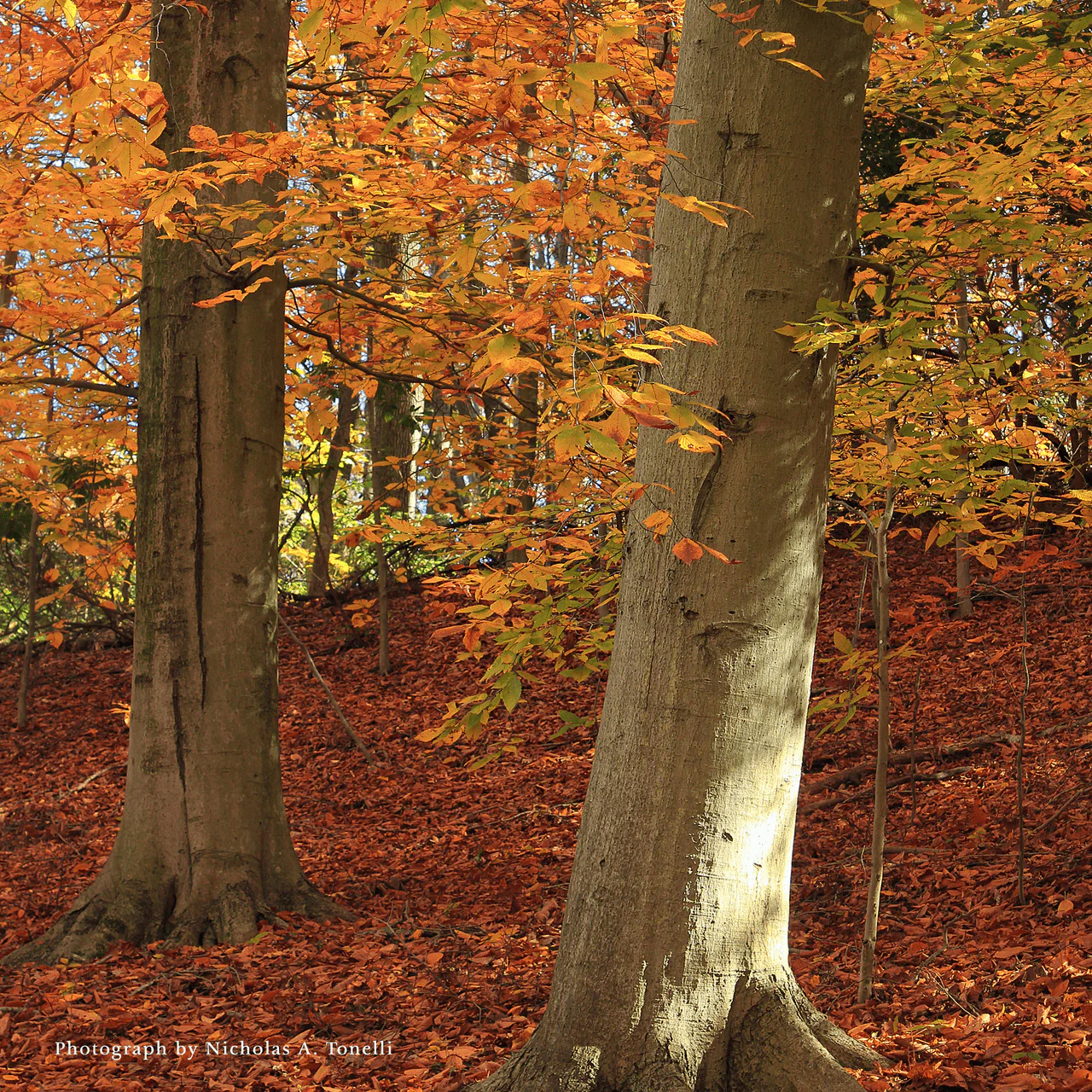
Attributes: Fall color
Jefferson documented
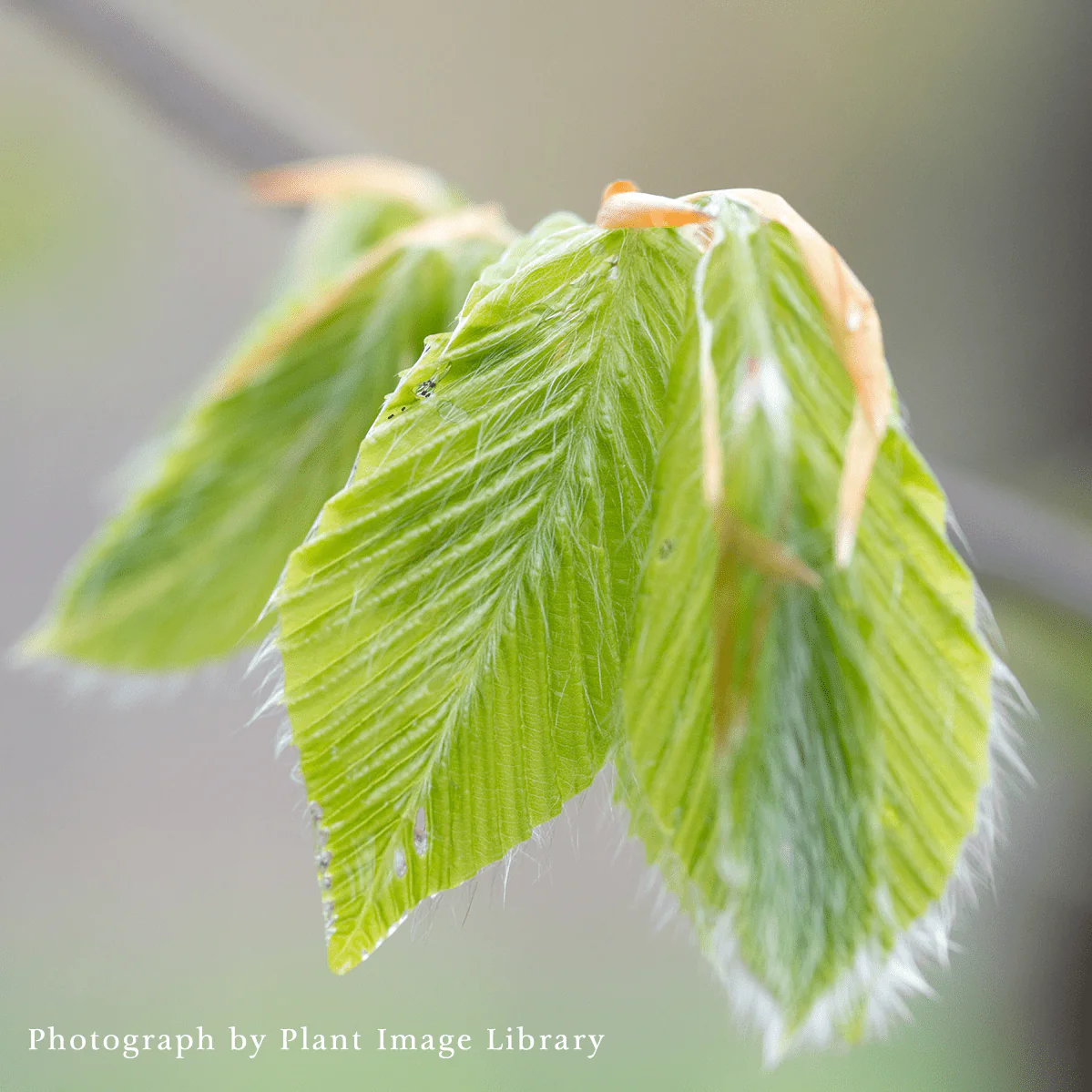
Also commonly known as American Hornbeam, Musclewood, and Blue Beech, this sturdy understory tree grows natively from Nova Scotia to Minnesota and south to Florida and Texas. Early New England settlers used the wood to make bowls and dishes that did not leak. Philadelphia nurseryman Bernard McMahon listed this native species in his 1806 American Gardener’s Calendar and Jefferson directed the planting of “horn beams,” along with a number of other trees at Monticello, circa 1808. The beech-like leaves, which turn deep scarlet and orange in the fall, and its zigzag branching habit make Ironwood a handsome specimen in the landscape.
Original: $24.95
-65%$24.95
$8.73Product Information
Product Information
Shipping & Returns
Shipping & Returns
Description
Small, deciduous, North American tree
Description: Smooth, slate grey bark is irregularly fluted, giving an overall appearance of flexed muscles; delicate branching habit
Habit: Grows 20-35 feet high and wide
Culture: Prefers deep, rich, moist, and slightly acidic soils; this highly adaptable tree occurs naturally in woodlands along rivers and streams, but can tolerate sun
Hardiness: Cold hardy to USDA Zone 3
Origin: Eastern North America
Attributes: Fall color
Jefferson documented
Also commonly known as American Hornbeam, Musclewood, and Blue Beech, this sturdy understory tree grows natively from Nova Scotia to Minnesota and south to Florida and Texas. Early New England settlers used the wood to make bowls and dishes that did not leak. Philadelphia nurseryman Bernard McMahon listed this native species in his 1806 American Gardener’s Calendar and Jefferson directed the planting of “horn beams,” along with a number of other trees at Monticello, circa 1808. The beech-like leaves, which turn deep scarlet and orange in the fall, and its zigzag branching habit make Ironwood a handsome specimen in the landscape.